

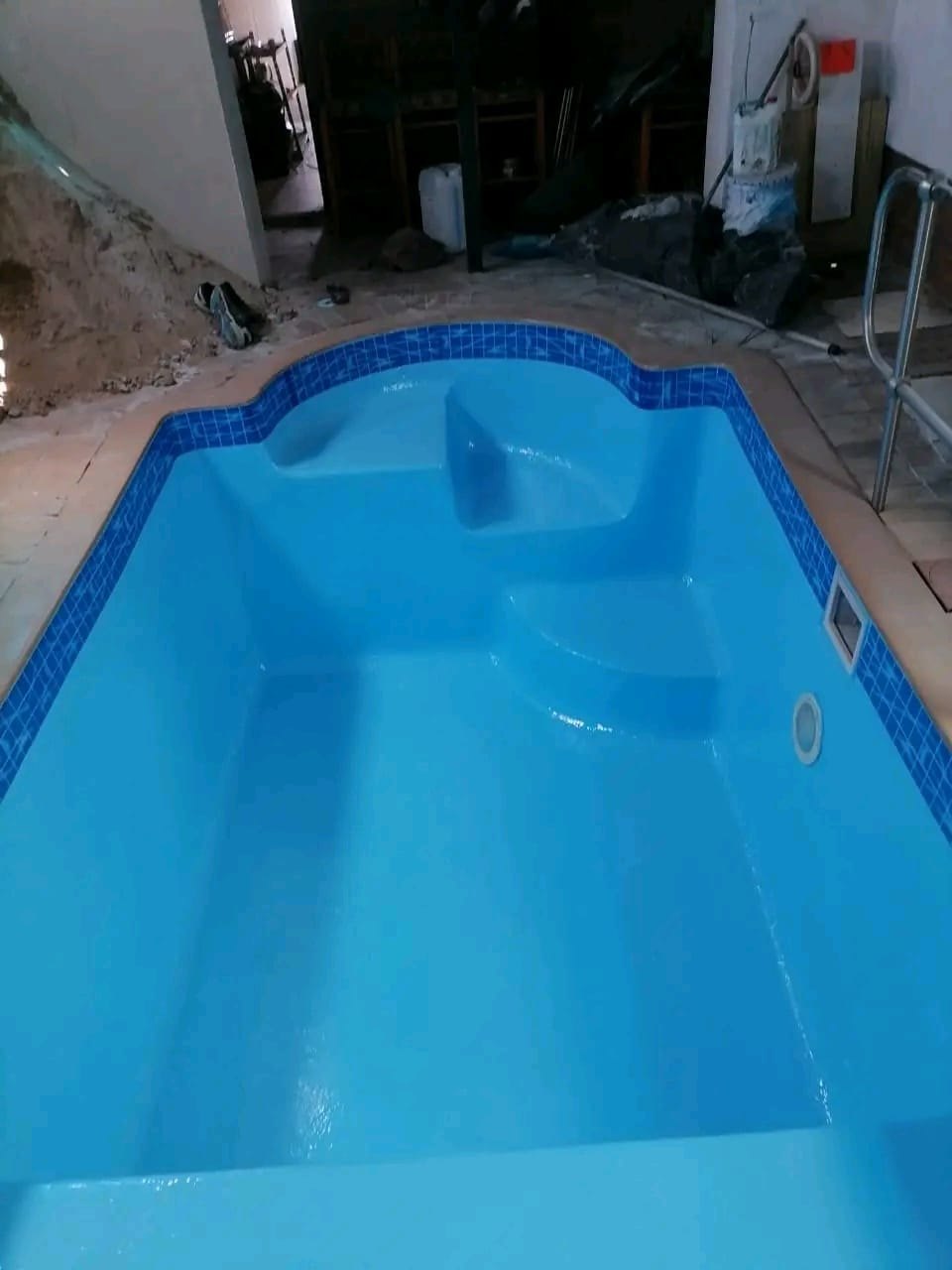
Pool coating cure time must come from the exact coating system and the conditions in which it was applied. Touch dry does not mean ready for immersion, and the date the contractor finishes painting is not automatically the refill date. Confirm the manufacturer’s filling requirements, the final-coat record and any weather-related changes before putting water into the pool.
A reliable schedule has separate milestones for preparation, application, curing, filling and return to swimming. Treating these as one finishing date creates avoidable confusion. This guide explains what to ask so the refill decision is based on the product and the job, not a universal number of days copied from another pool.
Pool coating cure time is not one clock
Coating instructions may list pot life, touch-dry time, a recoating window and the period before immersion. These describe different stages. A product can feel dry on the surface while still needing more time before continuous contact with pool water.
The recoating window is also a separate requirement. It concerns when a further layer can be applied and whether extra preparation is needed if that window is missed. It should not be used as evidence that the completed system can already be submerged.
| Term on the data sheet | What it concerns | What it does not mean |
|---|---|---|
| Pot life | The usable period after a product is mixed, under specified conditions. | The time before the pool may be filled. |
| Touch dry | The surface is dry to a light touch under the stated test conditions; it may not be ready to handle or immerse. | The coating is ready for permanent immersion. |
| Recoating window | When another coat can be applied under the system instructions. | The swimming date. |
| Immersion or refill requirement | The conditions needed before water is introduced. | Permission to ignore water quality or commissioning. |
Ask the contractor to name the milestone whenever a time is quoted. “Ready tomorrow” is too vague. Ready for another coat, ready for inspection and ready for water can be three different things. A written schedule avoids relying on an informal conversation held while workers are packing up.
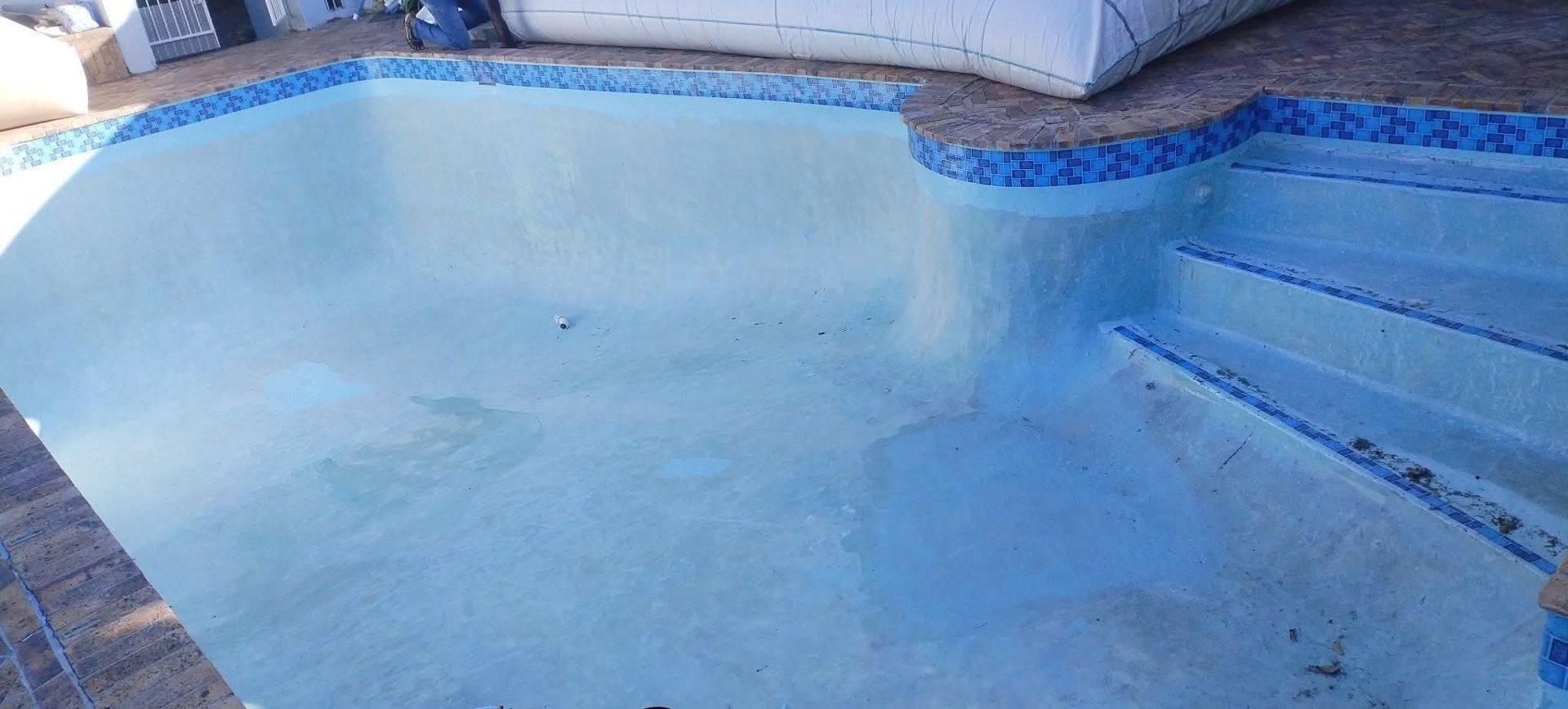
Epoxy pool paint drying time depends on the system
Do not transfer an epoxy schedule from one manufacturer to another. Products can differ in formulation, preparation, permitted conditions and filling instructions. The exact name and version of the coating matter more than the broad description “two-part epoxy”.
Paintcor’s PoolCure instructions illustrate the distinction by listing touch drying, recoating and filling separately. They also state that curing takes longer at lower temperatures. This guide deliberately does not turn that product’s stated period into a general refill rule for all coated pools.
RAMUC’s Type A chlorinated rubber and Type DS acrylic application guides provide a further comparison: they have different cure requirements and distinguish indoor from outdoor conditions. These are not epoxy products. Their value here is demonstrating why a generic “pool paint” timetable is unreliable.
If the contractor changes the coating after the quotation, ask for the schedule to be reviewed too. A different system may change more than the colour or price. The homeowner should receive the instructions for the product actually applied, not those attached to the original estimate.
Use coating manufacturer instructions as the reference
Before application begins, ask for the technical data sheet and the relevant safety and application information. Keep the product name, batch information where available and the contractor’s written specification together. The container label and current manufacturer guidance should agree with the proposed use.
Ask which document controls filling and whether there are special requirements for your substrate or site. If the label, older downloaded sheet and installer’s statement conflict, have the installer resolve that with the manufacturer before work proceeds. Choosing the shortest period from several documents is not a sound way to settle the question.
- Identify the complete system, including relevant primers and repair materials.
- Confirm the reference conditions attached to any stated times.
- Separate minimum requirements from a tentative calendar date.
- Ask who will approve filling and how that approval will be recorded.
Do not alter component ratios, add solvent or apply extra heat to speed up the job. Paintcor warns that incorrect component handling can prevent proper cure. Product handling belongs with the trained applicator following the exact instructions, not a homeowner trying to recover a lost day.
Pool coating weather conditions can change the plan
Temperature is only part of the application environment. Product instructions can also restrict humidity, moisture and exposure to rain. The surface may have conditions that differ from the general forecast, so a sunny weather icon is not evidence that the substrate is ready or that curing requirements have been satisfied.
Paintcor gives explicit temperature and humidity limits for PoolCure, while RAMUC’s guides discuss rain during curing and adequate ventilation for indoor work. Those requirements belong to their own products. Ask the applicator how the actual conditions are being checked and recorded for your chosen system.
Shaded walls, enclosed pool rooms and exposed outdoor pools should not be assumed to behave identically. Do not construct an improvised tent or place heaters in a drained pool to force a timetable. Ventilation, fire safety, weather protection and product suitability need professional planning.
Rain is a reassessment trigger, not an automatic home-made formula. If rain, condensation or unexpected moisture reaches the work, report what happened and ask the applicator to consult the relevant guidance. Do not simply add a guessed day or assume the coating must all be removed.
Agree the coating and refill plan together
Ask Kwik Pools to separate application completion, curing and the filling decision in the proposed schedule. Keep the actual product instructions with the handover record.
Keep a useful final-coat and weather record
The date work started is not enough to calculate a refill decision. Ask the contractor to record when the relevant final application was completed and any later touch-ups or repairs. Those later areas may have their own requirements, so the schedule should not ignore them.
Record interruptions without diagnosing damage. A note that rain began during the evening is useful. A claim that the rain destroyed the epoxy may not be established. Photographs taken safely from outside the pool can support a review without entering or touching the new finish.
- Confirm the exact installed system and keep its instructions.
- Record the completion of the final coat and any subsequent repair or touch-up.
- Ask the applicator to note conditions relevant to the manufacturer’s requirements.
- Report unexpected water exposure or changes in the finish promptly.
- Obtain explicit approval to fill once the requirements have been checked.
Do not use a fingernail, coin or shoe to test whether the finish is hard enough. A casual scratch test can mark the coating and does not establish its suitability for immersion. If a test or inspection is needed, have the responsible applicator specify and perform it.
Pool refill after painting: coordinate more than the hose
A refill plan should be agreed before coating begins. It needs to account for the water source, how water will be introduced without damaging the finish, who monitors the fill and what instructions govern commissioning. Do not leave those decisions until the minimum cure period is nearly over.
Keep a fresh coating protected from unauthorised access. Children, pets and other trades should not enter the pool to retrieve tools or inspect the colour. Ask how covers, barriers and any adjacent work will be managed without resting equipment on the new finish.
An empty inground pool also has structural and external-water considerations. Do not extend the empty period or change the water level on your own because the coating schedule has slipped. The coating contractor and the professional responsible for safe water handling need a coordinated plan.
The pool coating and resurfacing service is the relevant route for discussing application and refill planning. Ask for the expected work-completion date and the expected filling decision separately. Both should remain conditional on the actual product requirements and site findings.
Confirm current water-use and disposal requirements with the relevant local authority for the property. Do not assume that an instruction written for another municipality or country applies. A manufacturer’s cure schedule tells you about the coating, not whether a particular source of water or disposal route is permitted.
Pool coating commissioning and return to swimming
Being ready to hold water is not the same as being ready for swimmers. The pool still needs the appropriate water care and equipment commissioning. Ask which checks must be completed, who is responsible and when normal cleaning equipment or accessories can be used.
Arrange pool water testing and balancing as part of the handover where needed. Use the requirements for the actual finish and treatment products. Do not copy a start-up recipe for fresh cement plaster onto an epoxy coating or mix chemicals to save time.
For a Wynberg project, use the Wynberg pool services enquiry route to discuss the proposed schedule and access. Explain if nobody will be home to supervise filling or if a property manager must authorise it. Those arrangements should be settled before a provisional refill date becomes a commitment.
For a Kenilworth property, the Kenilworth pool services page provides the location enquiry route. Mention other scheduled trades, gate access and any planned event that depends on the pool. Ask for a realistic sequence without demanding a fixed swimming date that overrides the coating requirements.
At handover, keep the written fill approval, product guidance and care plan. Know whom to contact if soft areas, unusual discolouration, blistering or lifting appear. Report the observation rather than trying to correct it with a chemical or another coat. A small delay for clarification is preferable to making an unverified refill decision.
Frequently asked questions
How many days should I wait before filling a painted pool?
Use the current instructions for the exact installed system and the applicator’s assessment of actual conditions. There is no universal number that safely covers epoxy, acrylic, chlorinated rubber and other pool finishes.
Can I refill as soon as the coating feels dry?
No. Touch dry and ready for immersion are different milestones. Do not use a casual touch or scratch test as permission to fill. Ask the applicator to confirm that the product’s immersion requirements have been met.
What happens if it rains during the curing period?
Record the timing and tell the applicator. The response depends on the coating, its stage of cure and the manufacturer’s instructions. A product-specific reassessment is better than guessing an extra waiting period or assuming complete failure.
Does a later touch-up affect the refill date?
It can. The newly applied material also needs to meet its requirements before immersion. Tell the person approving the fill about every later repair or touch-up so the decision covers the whole coating system.
Plan the next step with Kwik Pools
Describe the pool condition and the outcome you need. Ask for an assessment and a written scope that separates essential repairs from optional improvements.


Comments are closed