
- (+27) 84 483 1774
- info@kwikpools.co.za
- Work Time: Mon - Sat 09AM - 6PM

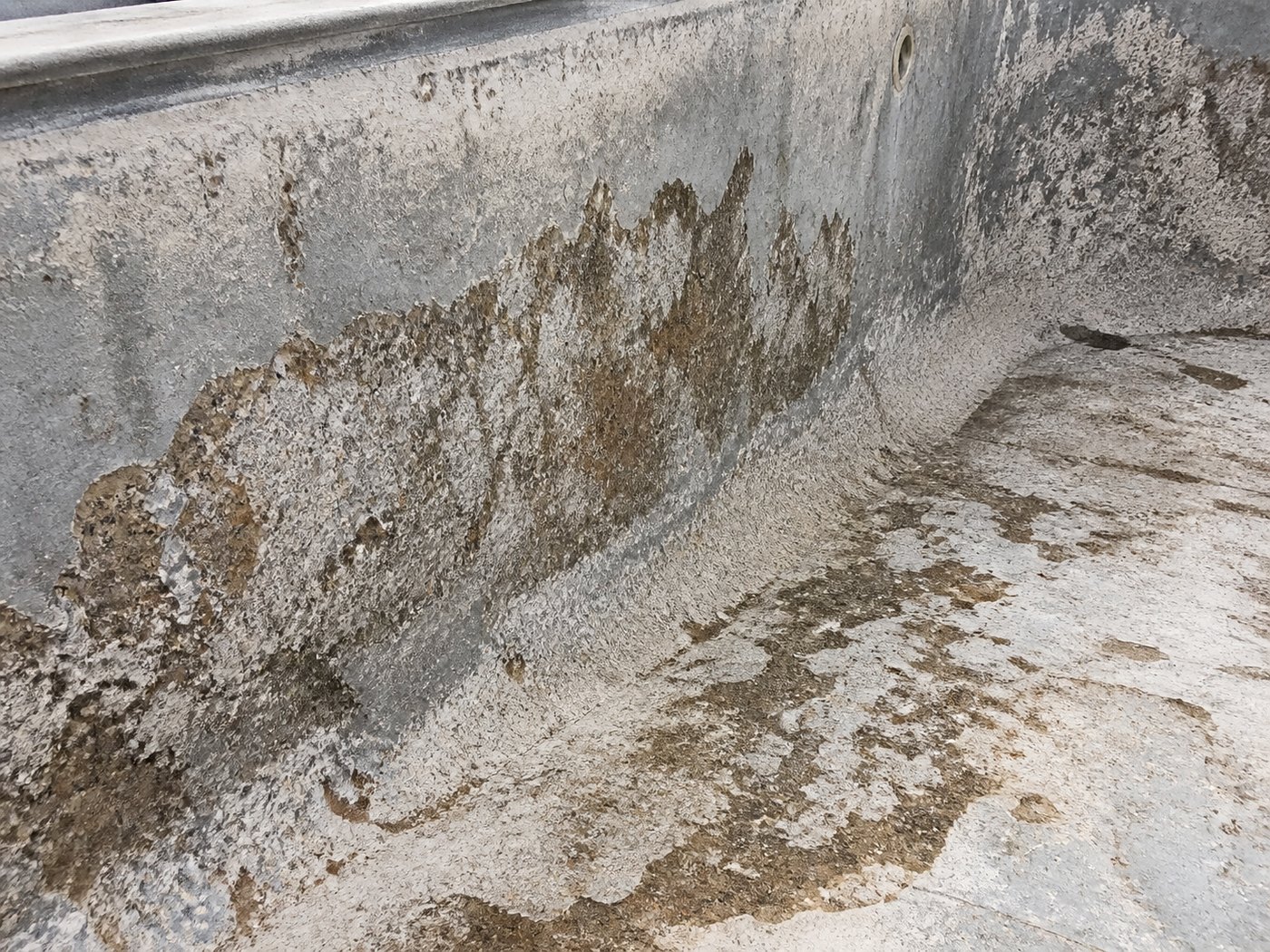
When a pool surface goes chalky, rough underfoot and impossible to keep clear, no amount of chemicals will fix it — the surface itself has failed. Kwik Pools does marbelite pool resurfacing across Cape Town, stripping back to sound material and finishing properly so it lasts.
A white powder on your hand after touching the wall. The surface is breaking down and washing into the water.
Eroded plaster that grazes feet and snags costumes, usually worst on the floor and steps.
Once the surface is porous, staining goes into it rather than sitting on it.
A degraded surface makes the water permanently hard to balance and hides algae in the pores.
Patches where the smooth finish has gone and the stone underneath is showing through.
A pool with several visible patches usually costs less to resurface than to keep patching.
Marbelite is a working surface with a finite life. Thirty to forty years is a good innings, and most of the pools we resurface were built in the 1970s and 1980s. What shortens that life is fairly predictable.
Every acid wash takes a layer off. A few too many and the surface is gone.
Water that is chronically low in calcium or pH will pull the surface apart to satisfy itself.
Cape summers concentrate the water fast, and the swings are hard on plaster.
Forty years of swimmers, chemicals and sun is a fair working life for any finish.
Structural movement crazes the surface, and the crazing lets water behind it.
Some pools were finished thin or badly cured and never had a full lifespan in them.
Send us a photo of the wall and floor on WhatsApp and we will tell you honestly what it needs.
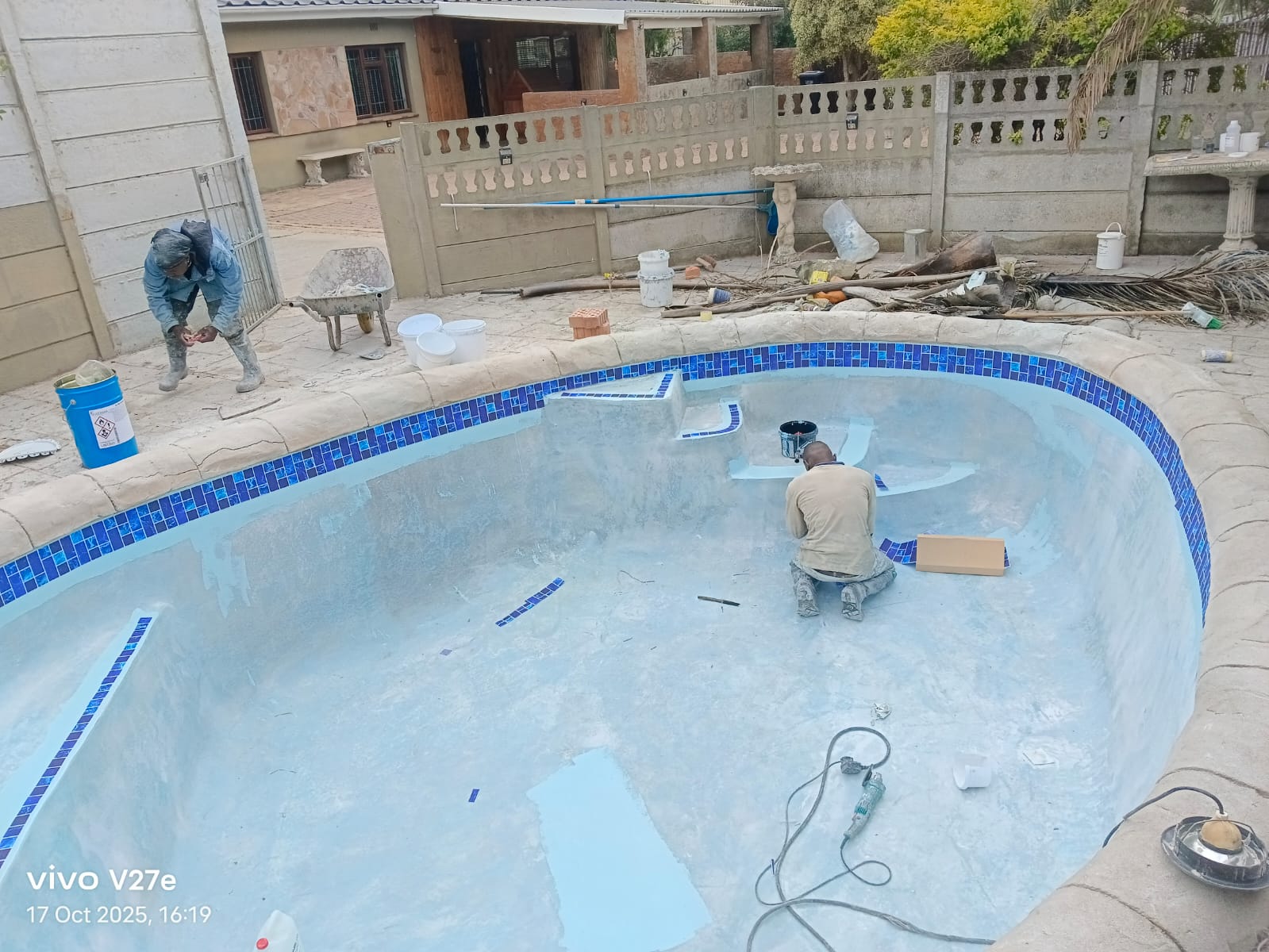
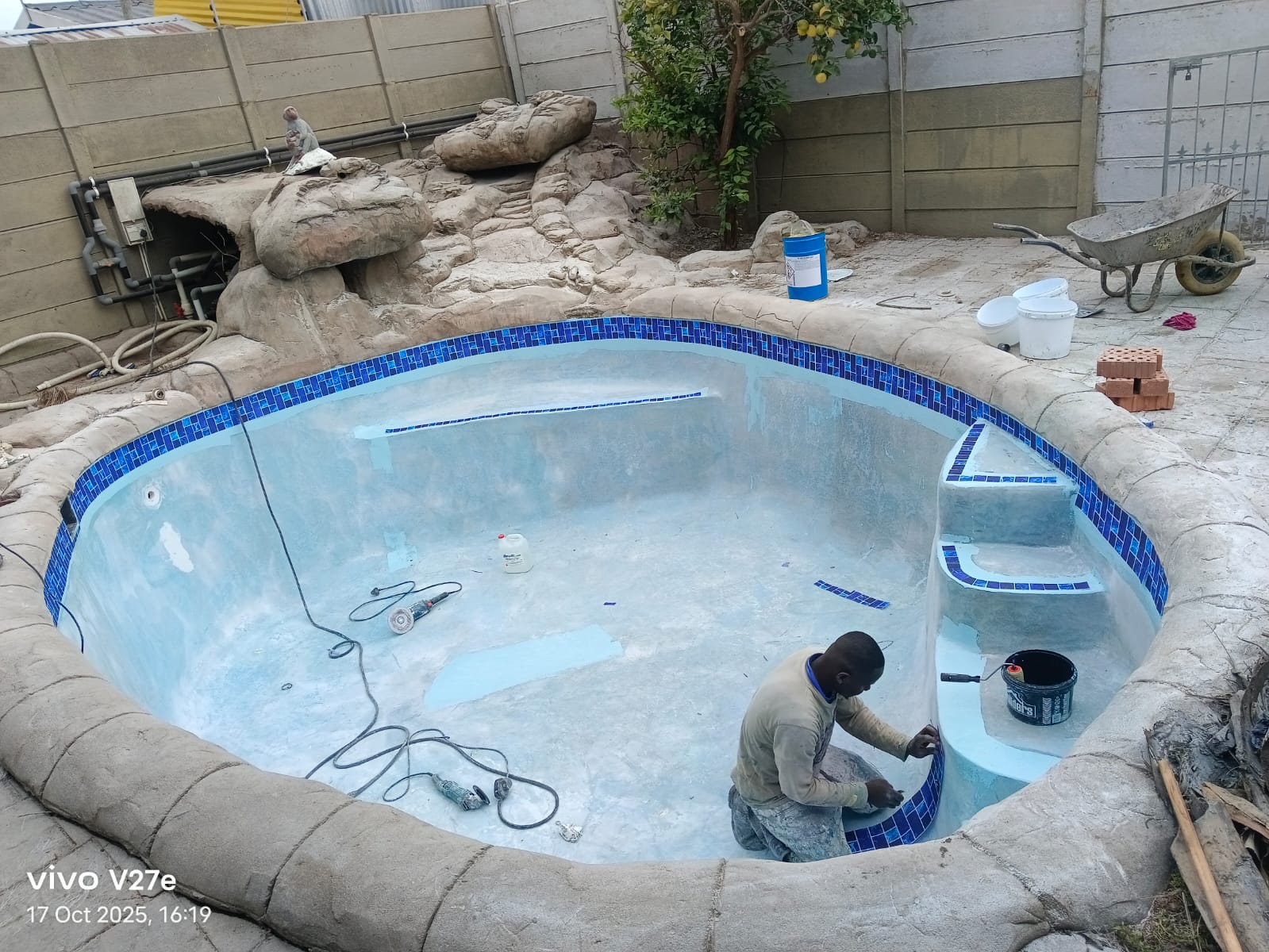
The finish is only ever as good as what goes on underneath it. We drain, strip back to sound material, cut out cracks and hollow sections properly, and repair the structure before any new surface goes on.
Then the marbelite is applied and trowelled to a smooth, even finish, cured correctly, and the pool refilled and balanced from the start rather than left to the owner to sort out.
Surface, cracks, weir, fittings and plumbing. Resurfacing over a leaking shell wastes the surface.
Back to sound material. A new surface bonded onto a failing one fails with it.
Cracks cut out, hollow sections removed, fittings checked and re-bedded.
Applied to the correct thickness and finished smooth and even.
Cured properly, refilled, and the water balanced so the new surface starts life correctly.
The pool is drained and access is set up exactly once. Replacing a tired waterline band, a cracked weir or perished fittings while we are already in there costs a fraction of doing it as a separate visit later.
It also means the pool comes back looking like one finished job, rather than a new surface next to a twenty-year-old tile band.
We work the whole metro from our Plattekloof base — the Northern Suburbs, Southern Suburbs, Atlantic Seaboard, City Bowl, South Peninsula, Helderberg, West Coast and the Cape Winelands. Fibreglass shell rather than marbelite? See fibreglass pool relining.
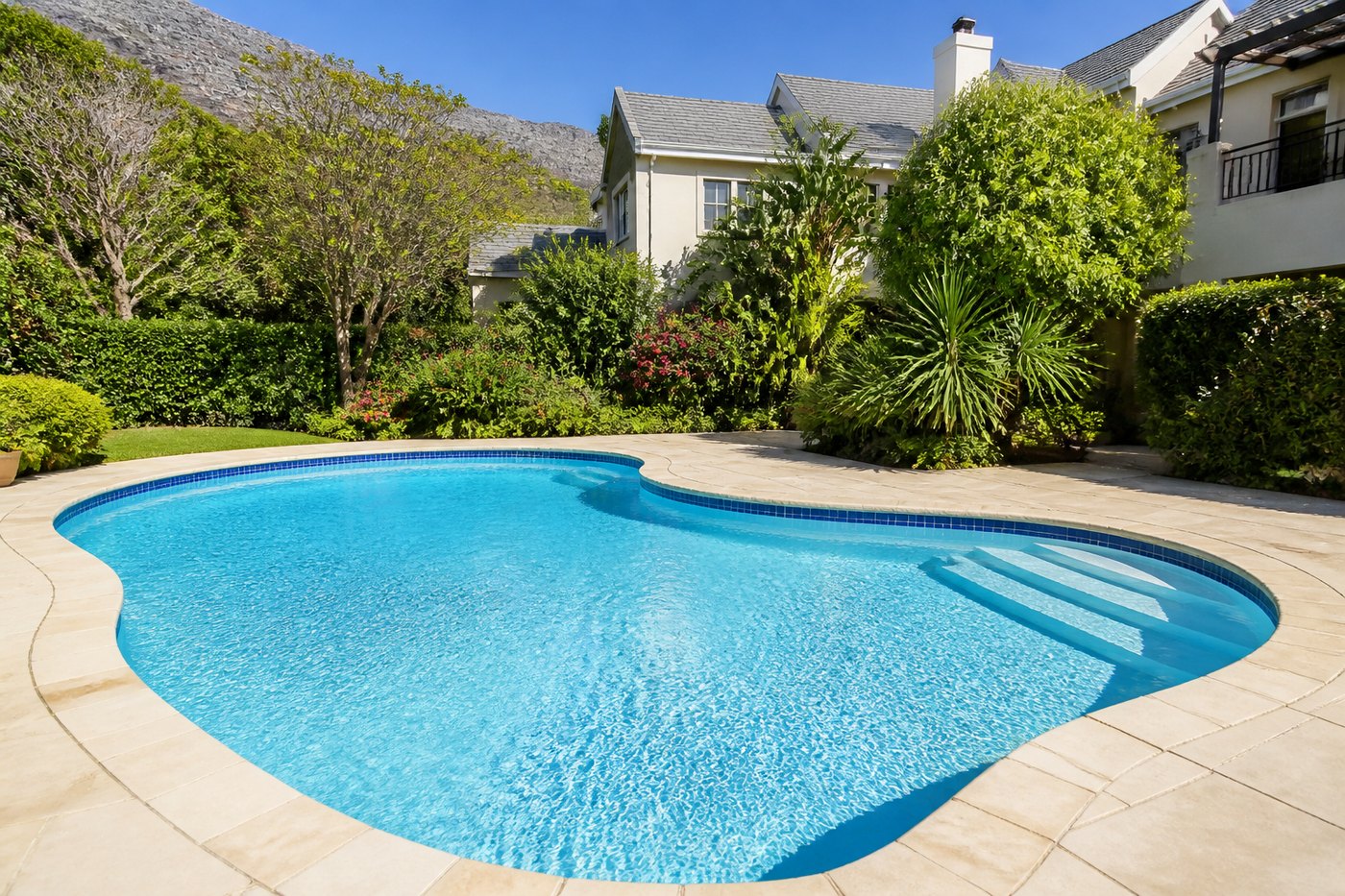
Free on-site assessment and no call-out fee. We quote resurfacing against recoating so you can compare.
Thirty to forty years is a fair working life when the water has been kept balanced. What shortens it is repeated acid washing and chronically unbalanced water.
The pool is drained, stripped, repaired, resurfaced, cured and refilled. The exact timeline depends on the size of the pool and the weather, and we give you a realistic date rather than an optimistic one.
If the plaster underneath is sound and only the coating has failed, recoat. If the plaster itself is eroded, hollow or crazed, resurface. We tell you which one your pool actually needs.
Yes. Marbelite comes in a range of finishes, and the colour changes how the water reads. We will show you the options on site.
Not necessarily, but if the band is tired it is far cheaper to do it while the pool is already drained than as a separate job later.
We look at the pool, tell you what it actually needs, then quote. No call-out fee.