

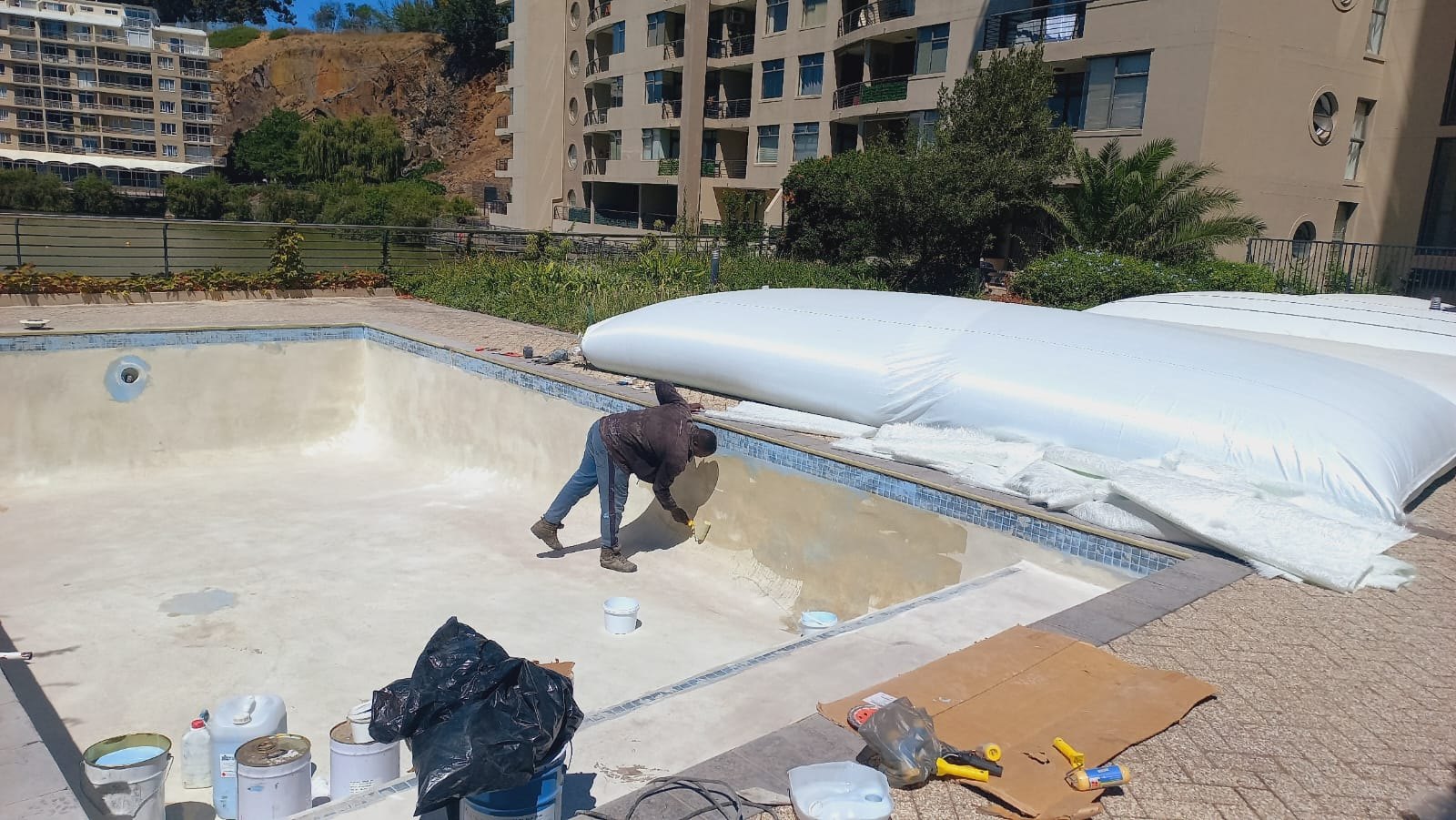
How to clean a solar pool cover depends on its material and manufacturer’s instructions, but an ordinary bubble blanket needs gentle handling rather than aggressive washing. Remove loose debris, clean with the approved method, rinse as directed and protect it from direct sun when off the water. A thermal bubble cover is not a safety barrier.
The job includes the storage arrangement, not just the wash. A blanket can be cleaned carefully and then damaged by being dragged over rough paving or left rolled in strong sunlight. Before starting, decide where it will be handled, how it will dry for longer storage and how pool access will remain controlled.
How to clean a solar pool cover: identify it first
Find the label, invoice or care sheet and confirm that you have a bubble-style solar blanket. Instructions for a rigid slatted cover, winter cover, safety net or load-bearing cover may be quite different. Do not select a cleaning chemical because its packaging merely says pool cover cleaner.
The Henden 550 Solar Pool Cover guide, for example, specifies a soft sponge and clean cold water. It also requires protection when the cover is stored on its roller. That is evidence for a gentle, product-specific approach, not a warranty or specification for every blanket sold in Cape Town.
If the make cannot be identified, ask the supplier what method is safe before adding detergents, solvents or stain treatments. A faded label is worth photographing. Retain a sample of the paperwork when replacing a cover so the next owner or maintenance person can find the care instructions easily.
Plan solar cover cleaning without dragging or climbing
Solar cover cleaning is easier when loose leaves and twigs are removed before rolling. Work from a stable position and use suitable pool tools without leaning dangerously over the water. Do not stand or walk on the blanket. Keep children and pets away from the handling area and maintain separate access protection throughout.
Check the route from the pool to the cleaning or storage position. Rough coping, sharp corners, screws, gravel and equipment can catch the material. A bulky cover should not be pulled harder simply because it has snagged. Stop, find the obstruction and arrange help rather than tearing the blanket or losing your footing.
- Read the care instructions and prepare a clean, safe handling area.
- Remove loose surface debris without pushing sharp objects through the material.
- Move or roll the blanket using its approved handling method.
- Clean gently with the specified water and tools, then rinse as directed.
- Inspect it, dry it for long-term storage and apply the approved protective over-cover.
If you need pool cover fitting or replacement advice, show how the blanket is currently removed. A difficult routine may reflect poor fit, unsuitable attachment positions or an awkward reel location. A cleaning product cannot solve a repeated mechanical snag.
Do not assume a lawn or patio is harmless merely because it looks clean. Check for stones, thorns, grit and recent garden treatments. Avoid hot or rough surfaces. Choose a location consistent with the manufacturer’s guidance and one that does not block the pool gate or household escape route.
Gentle washing and solar cover chemical exposure
Solar cover chemical exposure is not limited to the water while the cover floats. Residue remains on a removed blanket, which is one reason to rinse before storage. Henden specifically calls for cold-water cleaning to prevent chemical build-up and gentle removal of algae deposits.
Work methodically so you can see which areas have been cleaned. Use the soft tool specified by the manufacturer rather than a stiff broom, abrasive pad or pressure washer. If a mark persists after the approved treatment, ask the supplier whether it is staining, ageing or material damage before escalating the cleaning method.
Do not place chemical containers, tablets or granules on the blanket. Do not mix products to make a stronger cleaner. Follow the pool chemical label as well as the cover instructions when treatment is planned. If either requires the blanket to be removed, keep it properly protected while it is off the pool.
Avoid universal advice such as replacing every cover a fixed number of hours after shock treatment. The correct return conditions depend on the product and cover instructions, with water tests where required. Henden’s model-specific timing is not a general rule for another blanket or a different treatment.
Keep rinse water away from electrical equipment and manage it according to the property’s drainage arrangements and applicable requirements. Do not turn the cleaning job into an uncontrolled discharge into a street or neighbouring property. If the chosen area makes safe handling and drainage impossible, ask for help planning another arrangement.
Need help with the next step?
Send photos of the cover, attachment points and roller if cleaning reveals damage or awkward handling.
Pool cover roller care is part of the job
Pool cover roller care starts with observation, not dismantling. Inspect accessible straps, attachment points and the route the material takes onto the reel. Note uneven pulling, loose connections or sharp exposed edges. Follow the roller’s manual for maintenance and have damaged components assessed before continuing to force the mechanism.
A blanket that winds diagonally can bunch or rub as it moves. Stop when this happens and check whether the cover is caught. Do not use a longer handle, extra weight or a powered tool to overcome resistance. The correct solution may involve the fit, strap arrangement or roller position, not greater force.
- Keep the roller’s working area free of furniture and trip hazards.
- Check that attachments are present and not cutting into the blanket.
- Use the protective over-cover specified for the rolled blanket.
- Keep storage clear of gates so it does not become a climbing aid or access obstruction.
Henden explains that its approved over-cover protects the blanket from direct sunlight when on the roller. Do not treat a roller as sufficient protection by itself. Ask the supplier to identify a suitable replacement over-cover if the original is missing or damaged rather than substituting an unidentified sheet that may trap heat differently.
Pool blanket storage: short breaks versus longer periods
Pool blanket storage needs to reflect how long the cover will be unused. A short removal for swimming is different from packing it away for an extended absence. In either case, follow the care sheet about protection from direct sunlight when the cover is off the water.
For longer storage, Henden instructs owners to clean with cold water and allow the blanket to dry first to prevent mould growth. Do not interpret drying as permission to leave a rolled or folded cover baking in the sun. Plan a suitable protected drying area and allow enough time before packing it away.
If there is no roller, follow the manufacturer’s folding guidance without creating tight, forced creases or dragging the cover to its destination. Avoid piling heavy tools or boxes on the stored material. Keep it away from sharp items, incompatible chemicals and heat sources, and label the storage bag with the cover’s identity.
| Situation | Useful action | Avoid |
|---|---|---|
| Brief removal for swimming | Roll or handle correctly and use required sun protection | Leaving a bare roll in direct sunlight |
| Longer storage | Clean, dry and store as the care sheet directs | Packing a dirty, wet blanket away |
| Missing instructions | Identify the product with the supplier | Borrowing chemical limits from another model |
| Repeated snagging | Assess fit, straps and roller position | Pulling harder across rough edges |
Record where accessories are stored, including straps and the protective over-cover. A cover can become awkward to use because a small required component has gone missing. Recheck the material and attachments when it comes out of storage rather than assuming it remains ready because it was clean when packed.
Bubble cover damage: clean, repair or replace?
Bubble cover damage may include tearing, splitting seams, brittle areas or material shedding. Cleaning will not restore missing material or reverse a tear. Photograph the overall blanket and a close view of the affected area, and ask the supplier whether an approved repair is appropriate for that product.
Do not use appearance alone to promise a remaining lifespan. Exposure history, use, storage and the actual material matter, and warranties have specific terms. Keep the purchase record and care instructions if you want the supplier to assess a claim. A different brand’s advertised warranty is not evidence of your own cover’s protection.
For pool services in Table View, include the cover dimensions and photographs of any tears when requesting replacement guidance. Describe the available reel space so the discussion addresses handling as well as the outline of the pool.
When arranging pool services in Parklands, mention whether access requires carrying a roller through a narrow gate. If requesting pool services in Sunningdale, show any storage position that currently blocks a walkway. These details help an assessment without assuming local properties share the same layout.
A thermal blanket is not drowning protection
Henden explicitly warns that its solar cover is not a safety cover and is not designed to support a person. It also warns against swimming while the cover is on the pool. Do not leave a partial blanket in place for people to swim underneath, or use a child’s weight to test it.
For access-control questions, discuss pool safety nets and fencing separately. A heat-retention product does not become a compliant barrier because it covers the water. Maintain supervision and appropriate independent protection while the blanket is being washed, stored or replaced.
Frequently asked questions
Can I pressure-wash a bubble cover?
Do not assume that is safe. Use the method specified for your cover. Henden’s 550 guide calls for a soft sponge and clean cold water, not aggressive pressure washing.
Should the blanket be dry before long-term storage?
Follow its care sheet. Henden instructs owners to clean and dry the blanket before longer storage to prevent mould. Protect it from direct sunlight while off the pool rather than drying a bare roll in the sun.
When can the cover go back after chemical treatment?
Use the cover manufacturer’s instructions together with the treatment label and required water tests. Do not transfer a fixed waiting time from a different cover or chemical product.
Does a solar blanket replace a safety net or fence?
No. A bubble-style thermal blanket is not a load-bearing safety barrier. Keep access controlled separately, supervise swimmers and remove the blanket fully before swimming.
Talk through your pool requirements
Contact Kwik Pools with your observations, photographs and questions. Ask what an assessment should cover and which records will help.


Comments are closed