

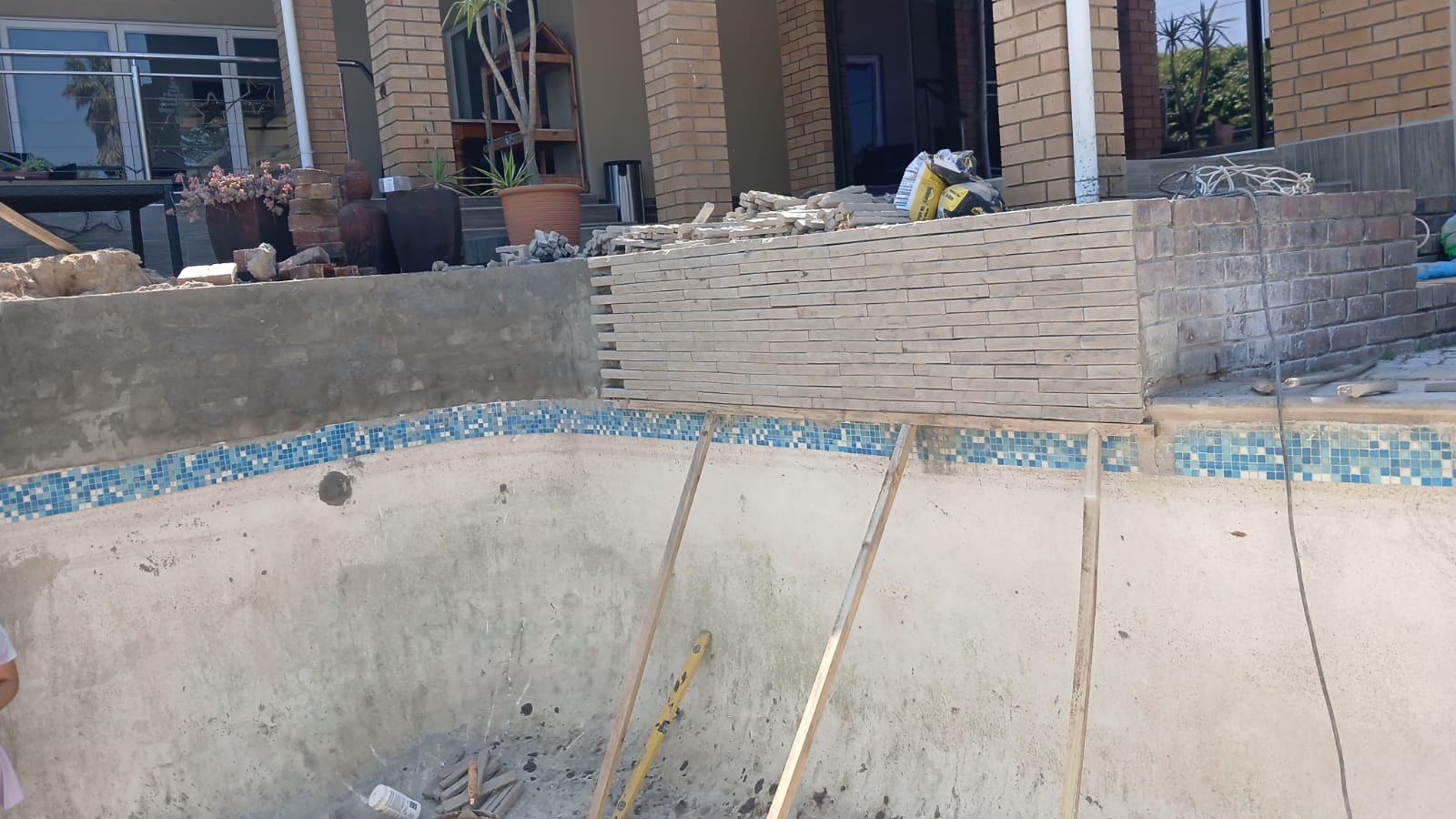
A rough pool surface can be caused by deposits sitting on the finish, material being lost from the finish or wear that has exposed a different texture. Those conditions need different responses. Identify the existing surface, map the rough areas and review water-test records before choosing an aggressive cleaning treatment or committing to resurfacing.
Roughness is a symptom, not a product recommendation. A pale crust does not automatically mean the plaster is worn out, and a cleaner cannot put back material that has already been lost. The first useful decision is whether the surface has gained a deposit, lost material or developed a separate bonding problem.
Map a rough pool surface before treating it
Start with where the problem occurs. Is the texture different on the steps, across the entire floor, around fittings or only along the waterline? Note whether it appeared gradually or was first noticed after a renovation, cleaning visit or change in treatment. These details make an assessment more useful than simply describing the pool as old.
Take photographs from the edge where safe. Include an overall view showing the location and a closer image showing the visible pattern. Do not drain the pool for photographs. Avoid rubbing your hand across a sharp or abrasive patch to demonstrate how rough it feels.
Record what swimmers have actually experienced: scratched feet, snagged clothing or discomfort on a particular step. Keep people away from the affected area while it is assessed. If the water is too cloudy to see the floor or there are sharp loose pieces, stop swimming rather than investigating by touch underwater.
- Identify the finish from records if possible, not its colour alone.
- Separate raised crusts from pits, worn areas and loose edges.
- Record the location of injuries or snagging without repeating the contact.
- Keep recent water results and information about any strong cleaning treatment.
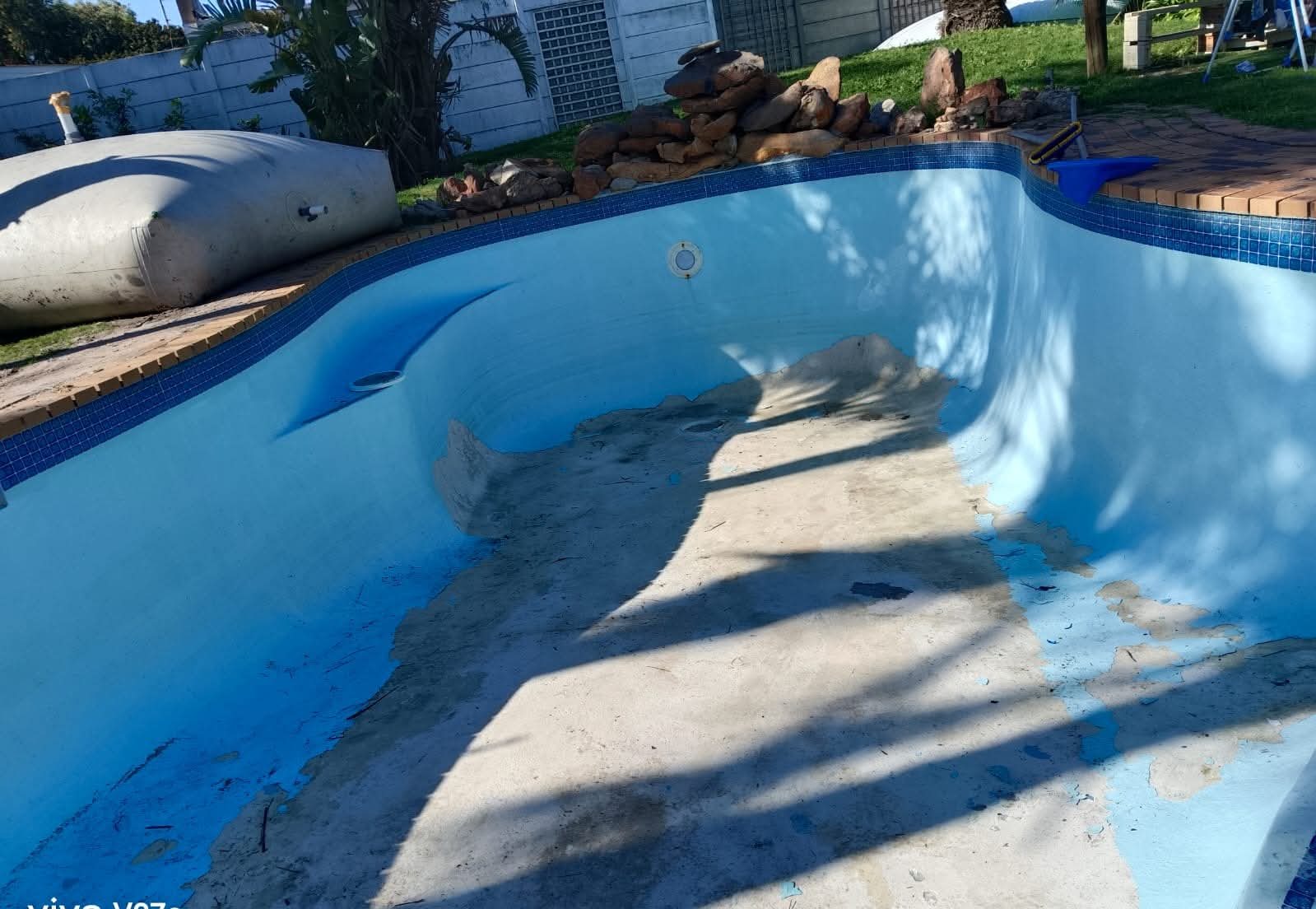
Pool scale deposits: material on the surface
Scale is mineral material deposited onto a surface. It can make an otherwise smooth finish feel uneven. The important distinction is that a deposit may be above the original finish rather than missing from it. However, a white area is not enough to identify the deposit or decide how to remove it.
Cemcrete warns in its PoolCrete care and start-up guidance that overdosing with calcium hypochlorite can contribute to scale build-up and high pH. That is a product-specific warning against indiscriminate treatment, not a reason to stop disinfection or substitute a different chemical without advice.
Ask for water testing that considers more than a single pH reading. Calcium hardness, alkalinity and the wider water balance are relevant to understanding deposits. A current test helps guide present care, but it cannot prove what the water conditions were when a deposit first developed.
Removing a deposit and preventing recurrence are separate tasks. If a professional identifies a suitable cleaning method, also ask what water-management change is needed. Otherwise the pool may look better temporarily while the conditions encouraging further accumulation remain unaddressed.
Pool surface etching: material missing from the finish
Etching describes chemical attack that removes material from a cement-based surface. The finish may become pitted or uneven as that material is lost. It is not the same process as a crust building up, even though both can leave swimmers describing the surface as rough.
Cemcrete specifically warns that acid overdosing can etch PoolCrete and reduce total alkalinity. Its guidance also stresses controlled chemical use and following chemical manufacturers’ instructions. This is why adding acid because a pool feels rough is not a sensible diagnostic test: the roughness might already involve material loss.
Correcting the water balance helps prevent further damage, but it does not reconstruct an eroded layer. Whether an affected finish can be professionally improved or needs replacement depends on its remaining condition. Avoid promises that one chemical treatment will make every etched surface smooth again.
A contractor should distinguish the suspected mechanism from what has actually been confirmed. If the explanation is chemical damage, ask what observations and records support it. A test taken today should not be presented as complete proof of a historical cause or automatic evidence of poor maintenance.
| Possible condition | Question to resolve | Why it changes the plan |
|---|---|---|
| Mineral deposit | Is material sitting above a sound finish? | A compatible removal method may be considered. |
| Etched or eroded finish | How much material has been lost? | Cleaning cannot replace missing material. |
| Worn or uneven finish | Is the texture local or widespread? | Repair scope depends on the extent and remaining finish. |
| Loose or hollow material | Is there separation beneath the surface? | Bond condition needs investigation, not just smoothing. |
Rough marbelite is not always the same problem
Marbelite is a cement-based pool finish, but not every pale interior is marbelite. Some pools have later paint, fibreglass or several previous finishes. Ask for the existing build-up to be identified before applying advice written for a different material.
Even within cement-based finishes, intended texture varies. An exposed aggregate finish is not supposed to feel identical to a smooth plaster finish. Compare the affected area with an unaffected area of the same pool and any original product sample or specification, rather than with a neighbour’s different pool.
A recent finish also deserves a different discussion from an old one. Ask for the start-up records and the manufacturer’s care instructions. Cemcrete distinguishes early PoolCrete care from later routine maintenance. Do not borrow an established-pool cleaning routine for a finish still within its start-up period.
Find out why the finish feels rough
Send the locations of abrasive areas and your recent water records. Ask for the texture to be assessed before choosing cleaning, repair or resurfacing.
Abrasive pool steps and safe observations
Steps deserve attention because people repeatedly place feet and hands in the same areas. A small abrasive patch there may matter more for comfortable access than a larger mark on a wall. Describe whether the roughness is on the tread, the edge or the adjacent floor, and mention any loose tile or exposed sharp point separately.
Do not fit a temporary covering that creates a trip or entrapment hazard to keep using damaged steps. Water shoes may reduce some contact, but they do not establish that the surface is safe or solve the underlying condition. Restrict access where needed until the cause and appropriate response are known.
- Mark the affected locations on a sketch rather than scratching marks into the finish.
- Photograph each area from safe ground and name the images by location.
- Gather test results and the dates of any surface work.
- Ask an assessor to separate deposits, material loss and bond concerns.
- Agree the least invasive suitable next step before authorising wider work.
Skip the acid experiment. Do not pour acid onto a rough patch, mix cleaning products or use abrasive tools to see what happens. Product-specific instructions and a confirmed surface type must guide any professional treatment. An improvised test can damage the finish while obscuring the original evidence.
Pool finish wear: when resurfacing makes sense
Resurfacing becomes a meaningful option when the existing finish cannot provide an acceptable, sound surface after appropriate assessment. That may involve extensive material loss, a widespread poor texture or another failure that surface cleaning cannot solve. Age alone does not define that threshold.
The marbelite resurfacing service is the relevant enquiry route when the plaster itself is deteriorated. Ask what evidence supports replacement and whether any areas need a separate bond or crack assessment. A new finish should not conceal an unresolved underlying defect.
Where deposits or water balance are part of the concern, discuss pool water testing and balancing alongside the surface assessment. This does not mean chemical adjustment will restore lost plaster. It means the repair and ongoing care should not be planned as unrelated matters.
For a localised problem, ask whether a limited repair or professional surface treatment is suitable and what appearance to expect. A patch can differ in colour or texture from weathered material. For a larger project, compare preparation, removal, finish specification and start-up responsibilities, not simply the quoted surface colour.
If one proposal recommends cleaning and another recommends resurfacing, ask both to explain the observed condition. You need to know whether they disagree about deposits, the remaining finish or the extent of damage. That is more useful than choosing the more confident sales explanation.
Prepare for the site visit and aftercare
Homeowners arranging pool services in the Southern Suburbs should send the roughness map and tell the assessor whether steps are uncomfortable or access is restricted. Confirm who will meet the visitor and where records can be found. Do not have the pool emptied in advance unless that is part of an agreed professional plan.
For a Claremont property, the Claremont pool services page is the relevant enquiry route. Mention side-passage limitations, gate arrangements or property-manager approval where applicable. The address helps organise a visit; it does not identify the chemistry or construction of the pool.
Before work begins, agree what will count as an acceptable result. For cleaning, ask which deposits can reasonably be removed and which underlying marks may remain. For resurfacing, confirm the specified finish, expected texture, water-handling arrangements and written start-up instructions.
Keep a simple record after the work: test dates, treatment changes and any returning texture problem. Raise new abrasive areas early, especially on access steps. Good records make follow-up more specific and help distinguish a recurring deposit from a change in the actual finish.
Frequently asked questions
Does a rough pool surface always need resurfacing?
No. A deposit on an otherwise sound finish may call for a different response from eroded or detached plaster. Identify the material and the cause of the texture before choosing cleaning, local repair or resurfacing.
Can balancing the water make etched plaster smooth again?
Balancing helps manage conditions that can damage a finish, but it cannot replace material already removed by etching. The remaining surface needs assessment to decide whether professional improvement or resurfacing is appropriate.
Should I use acid to check whether roughness is scale?
Do not use an improvised acid test on the pool. Acid can damage cement-based finishes, and you may not have identified the actual surface. Ask for a compatible assessment and treatment method rather than experimenting.
Why are the steps rougher than the rest of the pool?
The location is an important clue, but it does not identify the cause. Deposits, wear, original texture and local defects all need consideration. Describe the exact area and restrict use if it causes abrasions or has sharp edges.
Plan the next step with Kwik Pools
Describe the pool condition and the outcome you need. Ask for an assessment and a written scope that separates essential repairs from optional improvements.


Comments are closed