

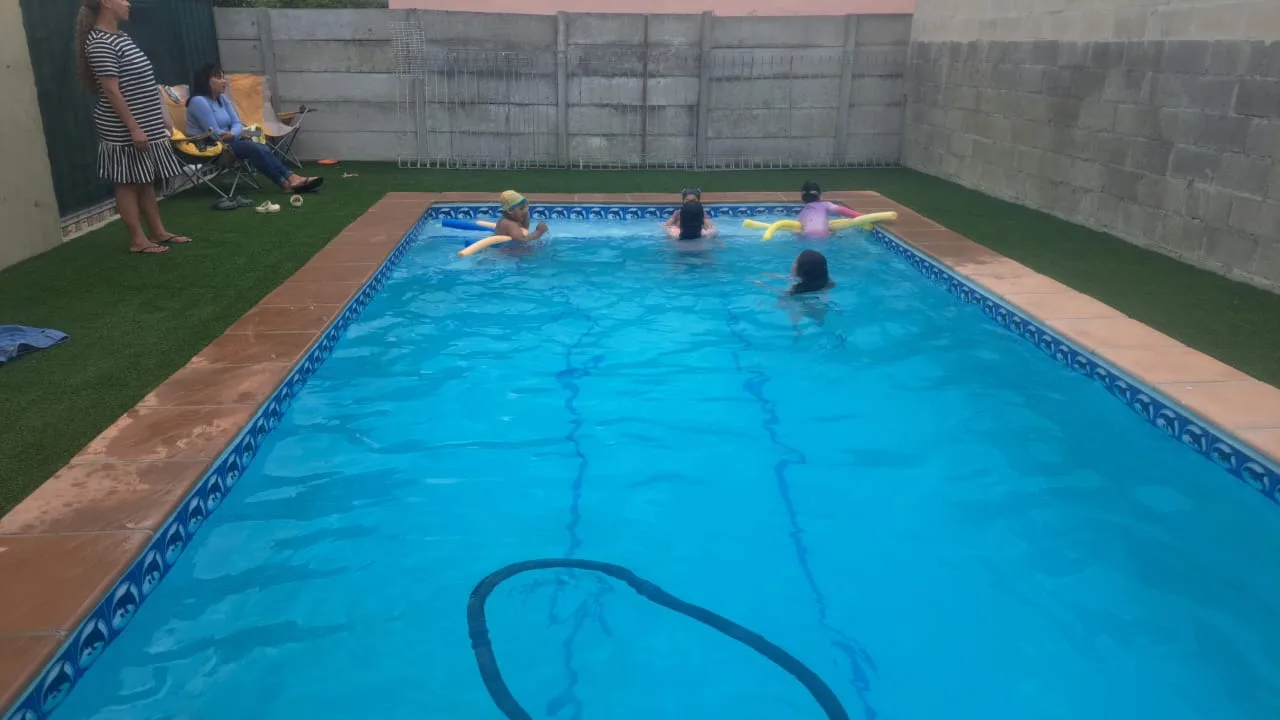
A salt water pool conversion checklist should confirm that the pool, equipment and maintenance routine are ready for a chlorine generator before salt is added. Check material compatibility, measured volume, water condition, circulation and the proposed cell’s output. Salt chlorination changes how chlorine is supplied; it does not create a chlorine-free or maintenance-free pool.
Start with the problem you want to solve. If the aim is less manual chlorine handling, a correctly selected system may address that routine. If the pool has unexplained water loss, poor circulation or persistent algae, those issues still need attention. A conversion is not a substitute for finding their causes.
Salt water pool conversion checklist: define the scope
Ask what the conversion quotation actually includes: assessment, controller and cell, plumbing, electrical work, commissioning and owner instruction. Record the model names and exclusions. A price for equipment alone cannot be compared directly with a complete installed and tested system.
For salt water pool conversion, provide the present sanitiser method, finish type, equipment models and any recent renovation details. Tell the assessor if you are unsure about a previous treatment. An incomplete chemical history should lead to investigation, not an assumption that every pool can follow the same changeover.
- Identify the existing finish, equipment and sanitiser history.
- Confirm compatibility with the proposed generator and salt concentration.
- Measure or verify volume and obtain baseline water tests.
- Have circulation, installation requirements and output sizing assessed.
- Agree commissioning, training and ongoing care before authorising the change.
Do not purchase salt first and work out compatibility later. Once it is in the water, a mistaken addition is no longer just a paperwork problem. Ask the installer to approve the commissioning sequence, including who supplies the salt, verifies the starting concentration and authorises operation.
Salt chlorinator compatibility includes more than the cell
Salt chlorinator compatibility means checking the whole proposed arrangement. The controller, cell, power supply, automation and plumbing must be suitable for each other and for the pool. A replacement part that physically fits is not necessarily electrically or operationally compatible.
The Pentair iChlor installation and user guide is a useful example of why model instructions matter. It includes flow, wiring and installation warnings and restricts certain pool applications. Those requirements are not a generic installation plan for another brand or the South African electrical context.
Ask who will undertake electrical work and confirm the applicable local requirements. Do not connect a generator to an extension lead, alter wiring or defeat a flow interlock as a homeowner shortcut. Pentair warns that operating without proper circulation or with improper wiring can allow dangerous gas accumulation.
If a newly resurfaced finish is involved, get approval from both the surface supplier and the generator installer before adding salt or starting production. The iChlor manual specifically addresses new plaster and directs users to the surface manufacturer. Do not turn a model-specific waiting period into a universal rule for every finish.
Check salt pool metal fittings and nearby materials
Salt pool metal fittings need deliberate review, including ladders, handrails, fixtures and equipment components exposed to pool water or splash. Also identify the heater, exposed stone, coping and other materials around the water. Do not assume that a pool suitable for conventional chlorination automatically has written approval for the proposed salt environment.
Pentair explicitly warns that salt can increase the likelihood of corrosion or deterioration of equipment and surfaces, including metal parts and some natural or manufactured materials. Its manual recommends professional advice on material selection and care. A low salt concentration compared with seawater is not a promise that corrosion cannot occur.
Ask suppliers for compatibility information for the actual products rather than a blanket assurance that all stainless steel, all stone or all fibreglass is unaffected. Material grades, finishes and installation details can matter. If the existing product cannot be identified, list it as an uncertainty to resolve before conversion.
| Item to identify | Evidence to request | Decision it supports |
|---|---|---|
| Interior finish | Product identity and salt commissioning requirements | Whether and when salt can be introduced |
| Heater and fittings | Manufacturer compatibility information | Whether components need attention first |
| Cell and controller | Matched model documentation | Correct equipment selection |
| Pool water | Baseline tests and treatment history | Safe, appropriate commissioning plan |
Existing staining or corrosion should be photographed before the change. This avoids later confusion about what was already present. Ask whether damaged items should be repaired or replaced and whether their cause needs investigation. A conversion should not conceal a known maintenance problem behind new equipment.
Pool salt system sizing starts with demand and volume
Need help with the next step?
Share your current equipment models and test results before committing to a conversion.
Pool salt system sizing needs more than choosing a box labelled for a similar pool size. Ask the installer to consider volume, expected use, operating hours and the system’s rated chlorine output. Manufacturer capacity ratings should be read with their conditions, not treated as an unconditional guarantee of performance.
The iChlor manual lists different models with different production capacities and states that the device produces chlorine rather than monitoring or controlling the pool’s chlorine level. That distinction matters. The owner still needs testing to determine whether the chosen output and operating routine are maintaining the required conditions.
Explain your swimming pattern: occasional use, frequent visitors, a regular cover routine or a seasonal increase in demand. Also explain how the circulation pump is currently scheduled. A system can only operate as intended when its flow and power conditions are satisfied, so those practical constraints belong in the selection discussion.
For salt chlorinator installation, ask the quotation to identify the cell, controller and any changes needed to the current layout. Clarify access for future servicing and how normal status differs from a warning. Do not accept a model name without the operating assumptions behind its selection.
Salt conversion water testing prevents blind additions
Salt conversion water testing should happen before the first salt delivery is tipped into the pool. Record the existing salt reading as well as the other parameters required by the selected system and finish. Water can already contain dissolved salt; the starting condition should be measured rather than assumed to be zero.
Arrange pool water testing and balancing with the proposed equipment details available. Supply a realistic volume estimate and the chemical history. Ask which results must be corrected before commissioning and who confirms that the water is ready for the next stage.
- Record the date, test method and sample source.
- Keep the measured starting salt level with the volume estimate.
- Identify the exact salt product required by the equipment instructions.
- Have the installer specify and verify the addition rather than using a generic bag count.
This guide deliberately provides no salt dose or conversion recipe. The quantity depends on the starting concentration, target specified for the equipment and actual water volume. Product labels and the installed system’s instructions take precedence over a neighbour’s bag count or a table for another generator.
Do not assume a full drain is required, and do not drain the pool yourself to prepare for conversion. The assessment should determine whether any water treatment or replacement is necessary and how it would be managed safely. Unknown or incompatible sanitiser history requires professional advice rather than an improvised chemical changeover.
Salt pool maintenance requirements continue after installation
Salt pool maintenance requirements include testing, circulation, cleaning and checking equipment status. The generator does not remove debris or repair a filtration fault. Ask for a written routine that distinguishes ordinary owner observations from work requiring isolation, disassembly or specialist servicing.
At handover, have the installer demonstrate the controls you are expected to use. Ask what a normal display looks like, which warnings require stopping and how to respond if water tests disagree with the expected performance. Do not increase output repeatedly without understanding whether the system is producing chlorine normally.
Ask how cell inspections and cleaning are determined for the chosen model. Do not adopt an automatic acid-cleaning schedule from an online video or another owner. Chemical cleaning can involve hazards and product-specific restrictions; let the manual and qualified service advice determine whether it is needed and who should do it.
Keep the installation date, settings, water readings and service history together. This makes a later assessment more useful if demand changes or a warning appears. A record of what the system has been doing is better than an unsupported conclusion that the cell needs replacing because the water changed colour.
Make the conversion decision with ongoing costs in view
Compare complete scope and ownership responsibilities rather than promises of free chlorine. Ask about electricity use under the proposed schedule, water testing, servicing, replacement-cell availability and warranty terms. No universal price, saving or payback period is given here because it would not describe your equipment and household use reliably.
For pool services in Bellville, send clear photographs of the equipment layout and accessible model labels before the assessment. Include any finish warranty documents so compatibility questions can be identified early rather than after installation starts.
For pool services in Durbanville, explain access to the plant area and who will operate the system after handover. Mention planned heating or renovation work because those decisions may affect the equipment arrangement. This is practical project coordination, not a claim that every property needs an identical conversion.
Proceed when the compatibility questions, water plan, installation responsibilities and owner routine have clear answers. If important information is missing, pause the purchase and resolve it. The best conversion is one the household can operate safely and maintain consistently, with no confusion about what the generator does and what it does not do.
Frequently asked questions
Is a salt water pool chlorine-free?
No. A salt chlorine generator produces chlorine from dissolved salt. It changes the supply method but does not remove the need to maintain an appropriate sanitiser level.
Do I always need to drain before conversion?
No universal drain requirement applies. Have the water history and condition assessed, and let the professional determine whether treatment or replacement is necessary. Do not drain as a routine homeowner preparation step.
Can salt damage existing fittings?
Compatibility needs checking. Pentair warns that salt can increase corrosion or deterioration risks for equipment and surfaces. Identify the actual materials and obtain product-specific advice before conversion.
Will the generator handle all pool maintenance?
No. Testing, circulation, debris removal and equipment care remain necessary. Some generators produce chlorine without measuring or controlling its concentration in the pool, so learn the limits of the selected system.
Talk through your pool requirements
Contact Kwik Pools with your observations, photographs and questions. Ask what an assessment should cover and which records will help.


Comments are closed