

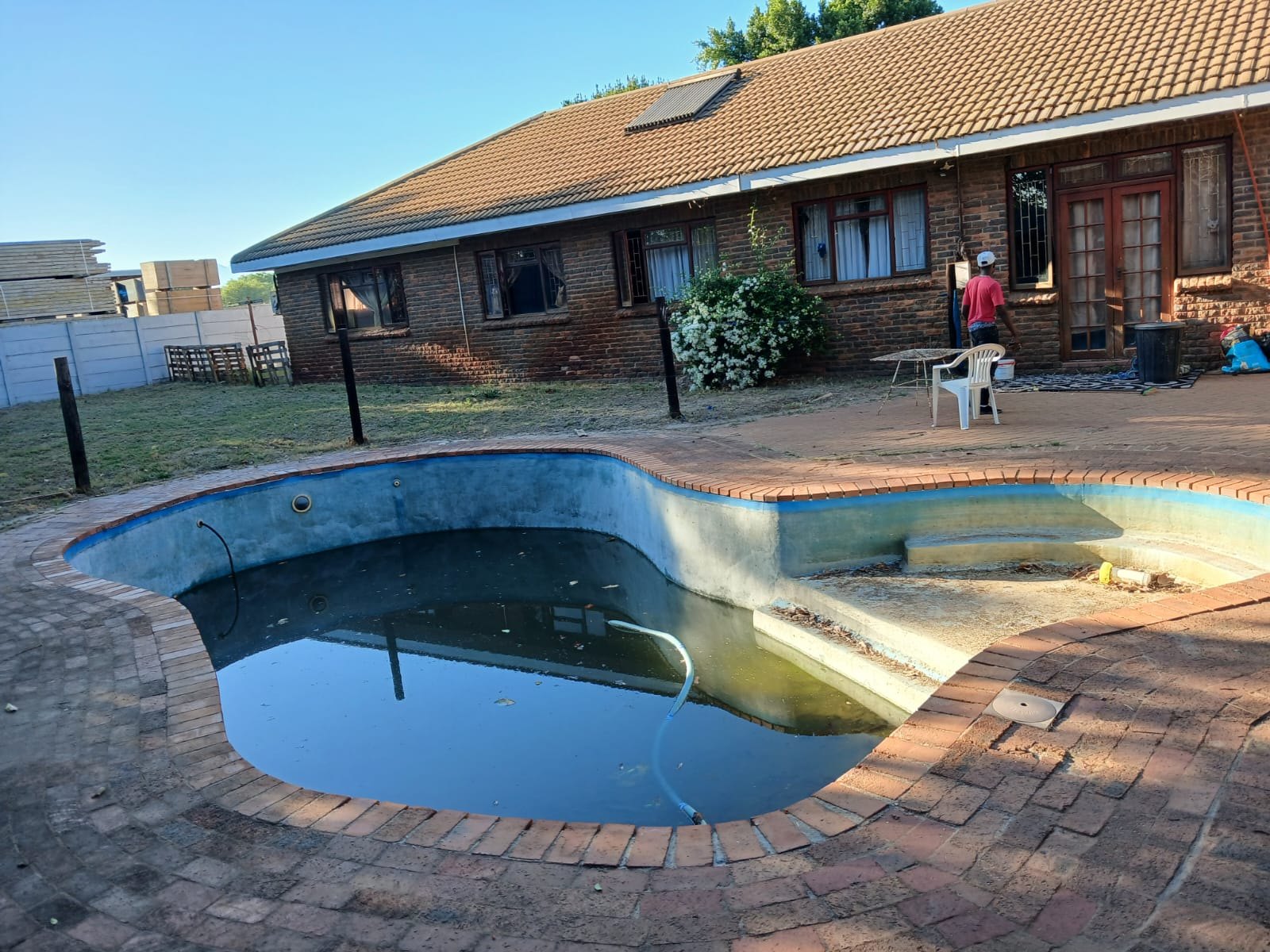
Solar pool heating roof suitability depends on usable sunny space, roof condition, a safe fixing design and a workable pipe route back to the pool equipment. A roof that looks large from the garden is not automatically suitable. Before ordering collectors, gather ground-level photos, pool measurements and your swimming-season expectations for a professional survey. Do not climb onto the roof or buy panels from a surface-area rule alone.
Solar pool heating roof suitability starts with the swimming brief
Tell the installer what you want the heating to achieve. Occasional warmer afternoon use is a different expectation from a tightly controlled temperature through changing weather. State when the pool is used, whether it has a cover and which months matter to the household. These are design inputs, not a promise that solar will meet every target.
Record the pool’s shape, approximate dimensions and any existing heating equipment. The installer may need to confirm surface area and other characteristics on site. A rectangular length-and-width calculation should not be treated as a precise description of a shaped pool or used to purchase equipment without review.
Ask Kwik Pools about solar pool heating with that brief and photographs of possible roof areas. Send a wide view showing the relationship between the roof, pool and equipment pad. Isolated close-ups of tiles do not show the distance or likely pipe route.
Solar pool collectors heat water passing through them. They are not the same as photovoltaic panels producing electricity for a heat pump. Confirm which system the proposal describes, especially if the property already has roof-mounted solar equipment. Different technologies compete for roof space and have different installation requirements.
Solar pool collector roof space means usable space
Ask the surveyor to identify the actual collector layout, not just estimate the total roof area. Chimneys, skylights, vents, existing panels, gutters and service paths may reduce what can be used. An irregular area can be large in total but awkward for a particular collector arrangement.
Keep room for future maintenance. Someone may need to inspect the roof, clear gutters or repair an existing installation after the pool collectors are fitted. Discuss whether those tasks remain possible without unnecessary panel removal. The collector layout should not hide a known roof defect or make a simple roof repair much harder.
Hi Temp’s installation guidance starts with pool surface area and then considers an available roof area near the pump. Its example dimensions and panel-count formula belong to that supplier’s system and stated assumptions. They should not be copied across different products or treated as proof that any roof with equivalent area will perform the same way.
If the roof may need replacement or substantial repair soon, resolve the sequence before installation. Ask what removing and reinstating collectors would involve. Paying attention to the roof now can prevent a later dispute over who disturbed a waterproofing detail or why heating equipment had to be temporarily removed.
Check the proposed collector area against other uses
Keep future roof plans in the discussion. A later photovoltaic system, roof window or extension may occupy the same space or introduce shading. The installer cannot allow for plans that are never disclosed. You do not need to settle every future project, but identify likely conflicts before the layout becomes permanent.
Pool solar heating shading changes through the day
Observe the potential collector area from the ground at different times when it is safe to do so. Note shadows from the house itself, nearby buildings, trees and existing roof structures. A sunny patch in one photograph does not establish useful exposure throughout the periods when the system is expected to work.
Tell the installer when each photograph was taken. If you only have an afternoon view, say so. Do not describe the roof as shade-free based on a single observation or a satellite image without a date. Seasonal assessment may need information beyond what a homeowner can see during one site visit.
Ask how the survey accounts for the intended swimming season. A layout chosen only for its appearance at midsummer may not answer an autumn or spring heating brief. The installer should explain the assumptions behind expected performance and the limitations that remain when weather changes.
Shading is not necessarily an all-or-nothing decision. A different area, collector layout or revised expectation may be considered. However, adding more panels should not be presented as a universal cure for insufficient sunlight. Ask why the proposed arrangement is suitable for the particular roof and product.
Solar collector orientation needs local assessment
South African supplier Solar Direct describes north-facing placement as preferable for its solar pool panels. That is useful local context, not a reason to reject or approve a roof by compass direction alone. Roof shape, shading, collector design and intended season still need to be considered together.
Do not transfer an overseas south-facing recommendation directly to a Cape Town property. Ask the installer to identify the proposed orientation and explain any compromise. The important question is whether the design meets a realistic site-specific brief, not whether the word “solar” appears on a product brochure.
Discuss the existing roof pitch and whether any additional support structure is proposed. Homeowners should not calculate or improvise fixing angles, raised frames or wind restraints. A change in mounting arrangement can affect structure, access and waterproofing as well as solar exposure.
Discuss the practical constraints first
Send your observations and photos to Kwik Pools. Ask which checks need a site visit before you commit to equipment or work.
A solar pool heater roof survey must include condition and fixing
Give the surveyor any available roof records and explain known leaks, damaged sections or earlier repairs. If you do not know the roofing material or support arrangement, say so. A visual appearance from below is not confirmation that a roof can safely support the selected installation.
Ask who assesses the roof and whether a structural professional or roofing specialist needs to be involved. The answer depends on the building and the proposed work. Neither a small collector nor a manufacturer’s wind-related marketing statement removes the need for a suitable site-specific fixing arrangement.
The written scope should identify responsibility for roof penetrations or attachments, waterproofing and making good. Ask what happens if a damaged roof section is discovered during preparation. Agree how additional work is authorised rather than assuming it is included in a single heating price.
Where estate, body corporate or other property permissions apply, obtain those requirements before finalising the layout. Equipment ownership is not permission to alter a shared roof. Clarify who supplies drawings or product details and whether work must wait for written approval.
- Share the intended swimming period and pool details.
- Supply ground-level roof photographs with dates or times where useful.
- Identify known leaks, repairs and existing roof equipment.
- Ask for a proposed collector layout and shading assessment.
- Confirm roof, fixing, access and permission responsibilities.
- Review the hydraulic design and commissioning plan before accepting the scope.
Plan the pool solar plumbing route before buying collectors
The route from the equipment to the collectors needs attention alongside roof space. Show possible paths, doors, passages and areas where exposed pipes would be vulnerable or obstruct access. Ask how the installation will be supported and how future repairs can be reached.
Distance and height relative to the pool equipment are part of the survey. The installer should assess the pump, filter and proposed system together rather than relying only on the pump’s power label. Existing leaks, poor circulation or a blocked filter need to be identified before assuming the plant will operate the new arrangement satisfactorily.
Hi Temp explains that circulation through its collectors at night can cool the pool. Ask how the proposed controls coordinate heating with ordinary filtration. Use the selected system’s commissioning instructions, not another installation’s timer schedule.
Solar energy is available without buying fuel, but the complete system still involves circulation, equipment and maintenance. Do not accept “free heating” as a full operating-cost explanation. Ask whether the proposal changes pump operating requirements and what servicing or eventual component replacement should be expected, without demanding an unsupported fixed annual figure.
Read the proposal for assumptions, not just panel count
A useful quotation identifies the product, proposed location, plumbing scope, controls, fixing responsibilities and exclusions. Ask what site conditions were assumed and what remains to be confirmed. Keep any performance discussion tied to the roof exposure, weather, pool use and cover arrangements that were actually assessed.
If the survey finds solar unsuitable for your expectations or available space, discuss a broader pool heating assessment. That is more useful than squeezing collectors into an unsuitable corner or buying a system on the assumption that disappointing exposure can always be corrected later.
For pool services in Melkbosstrand, include access to the equipment and the visible route to the proposed collector area. The address establishes the visit location, not a guaranteed roof condition or universal exposure rating.
For an Atlantic Beach Estate pool enquiry, provide any applicable property approval process and identify who can authorise the work. Do not assume an estate name establishes a specific rule; share the current documents relevant to your property.
At handover, keep the layout, product information, controls explanation and warranty conditions. Ask what ordinary observations should trigger a service call, such as a new roof leak or unexpected equipment warning. A warm return on installation day is useful, but it is not the whole test of a safe, maintainable system.
Roof-survey questions
Does a large roof guarantee enough solar heating?
No. Usable collector space, shading, orientation, product design and the heating brief all matter. The roof also needs an appropriate condition and fixing assessment.
Must I climb onto the roof to measure it?
No. Supply safe ground-level photographs and any available plans. Leave roof access, accurate measurements and structural or fixing assessments to the professionals responsible for the survey.
Will solar panels run the pool pump for free?
Solar pool collectors heat circulating water; they are not photovoltaic electricity panels. Ask how the proposed heating affects circulation and controls rather than assuming it removes pump electricity costs.
Can I use the timer settings shown on another installation?
Not as a universal instruction. Operating times should suit the selected system, solar conditions and filtration needs. Get a demonstrated, written control plan at commissioning.
Make the next visit more useful
Bring your notes, equipment details and priorities. We can discuss the appropriate assessment and what should be included in the written scope.


Comments are closed