
- (+27) 84 483 1774
- info@kwikpools.co.za
- Work Time: Mon - Sat 09AM - 6PM

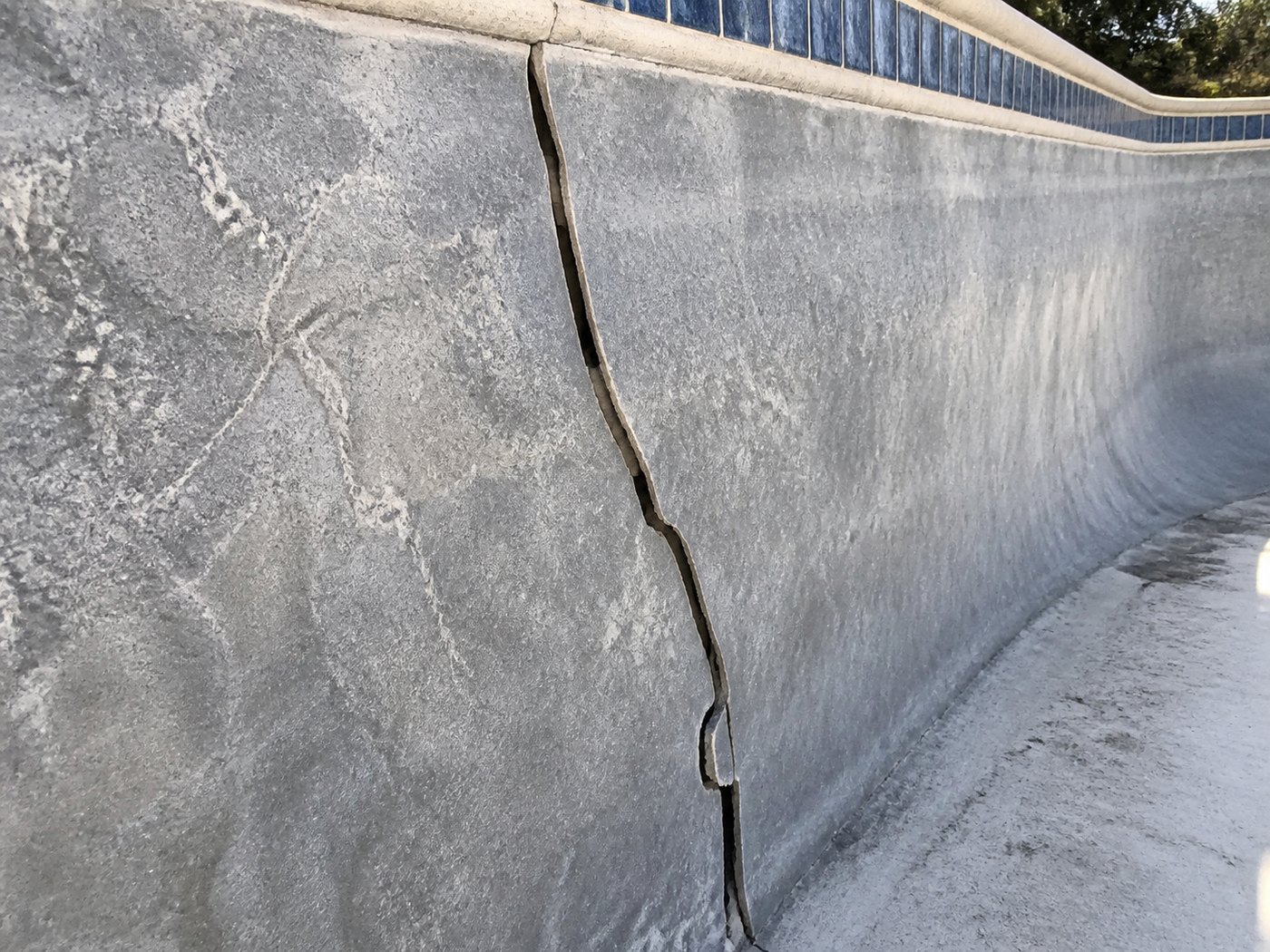
A crack in a pool is not always a crisis, but it is always worth a proper look. Kwik Pools does pool crack repair across Cape Town on marbelite, gunite, concrete and fibreglass shells — from hairline crazing to structural cracks that are letting water out.
A fine spider web across the plaster. Usually cosmetic, caused by the surface curing too fast years ago.
Short and shallow, common on older marbelite. Straightforward to cut out and patch.
Longer, often from a corner or step, sometimes with one side proud of the other. These move, and they leak.
Radiating from a light niche, weir or return — usually over-tightening or ground movement pulling on the plumbing.
What lifts a waterline tile is often a crack behind it. Relaying the tile alone will not hold.
Star cracks and gel coat crazing on fibreglass shells, which need a different repair to concrete.
The ground here moves. Wet winters swell the clay, dry summers shrink it, and the sandy soil across the Cape Flats and West Coast settles unevenly. That is why structural cracks turn up in perfectly well-built pools.
The wet-winter, dry-summer cycle works on the shell year after year.
Large roots close to the shell lift and stress it, particularly in the older Southern Suburbs gardens.
A pool drained with a high water table can lift out of the ground. Never drain without checking.
Forty-year-old marbelite has simply had a long working life and eventually fatigues.
Thin sections at steps and corners crack first, because that is where stress concentrates.
A crack skimmed over rather than cut out will always come back through the patch.
Send us a photo on WhatsApp and we will tell you whether it looks cosmetic or structural.
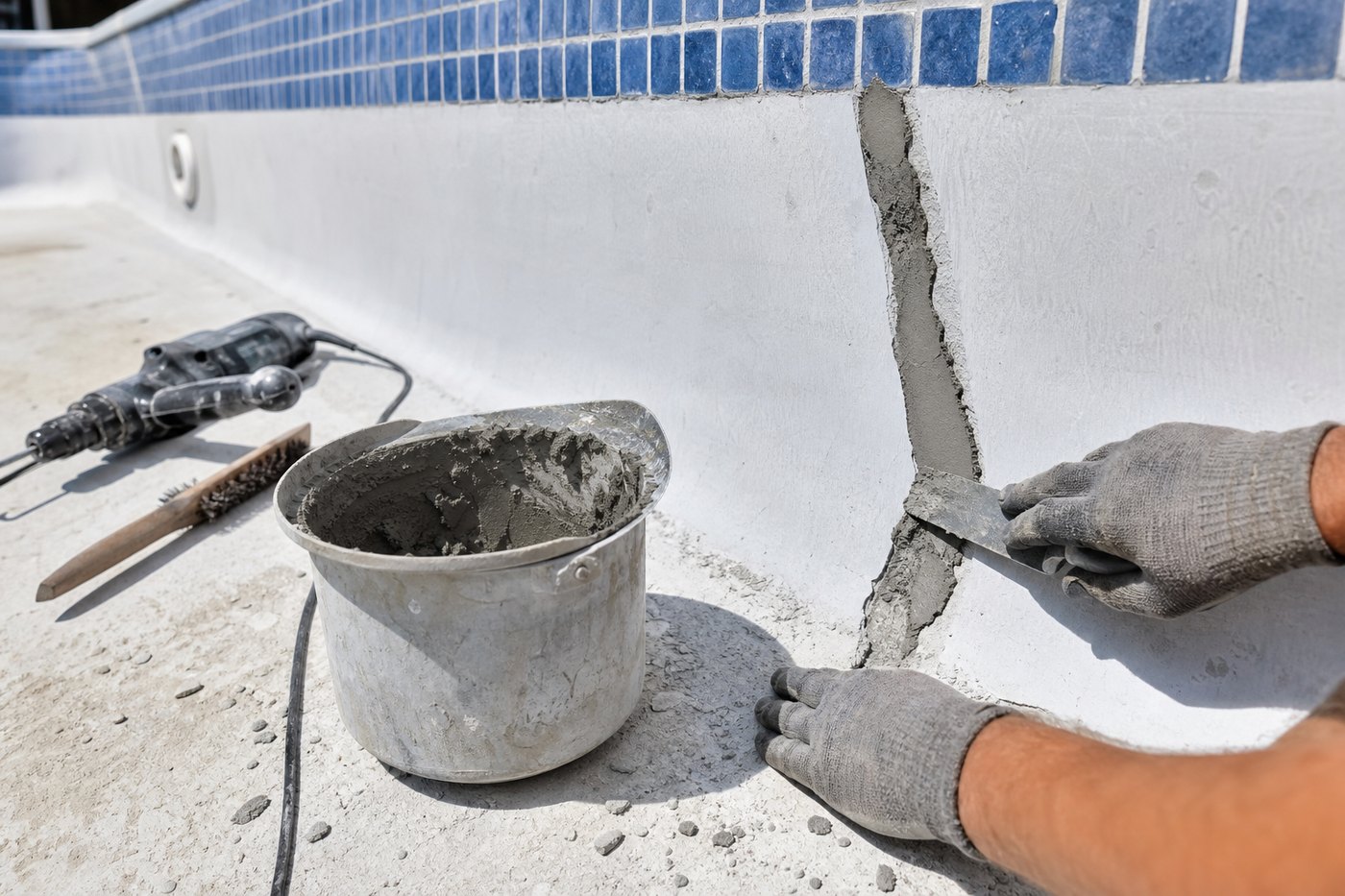
A crack that is filled without being opened up will come back through the patch, every time. We cut the crack out into a V-groove so the repair material has something to key into, then fill and bond it properly.
Where the crack is structural we deal with the movement first. Filling a crack that is still moving is just an expensive way of repeating the job next season.
Cosmetic crazing, a shrinkage crack or a structural crack. The repair is completely different for each.
Dye testing at the crack tells us whether water is actually escaping through it.
Opened into a V-groove back to sound material, never skimmed over.
Filled with the correct material for the shell, keyed in so it moves with the pool.
Patched into the surrounding surface, or resurfaced if the finish is too far gone to blend.
If a pool has cracked in several places, or the surface is chalking as well as cracking, patching each crack individually is usually false economy — you end up with a sound but visibly patched pool.
At that point resurfacing after the structural repairs makes better sense, and we will quote it both ways so you can compare properly.
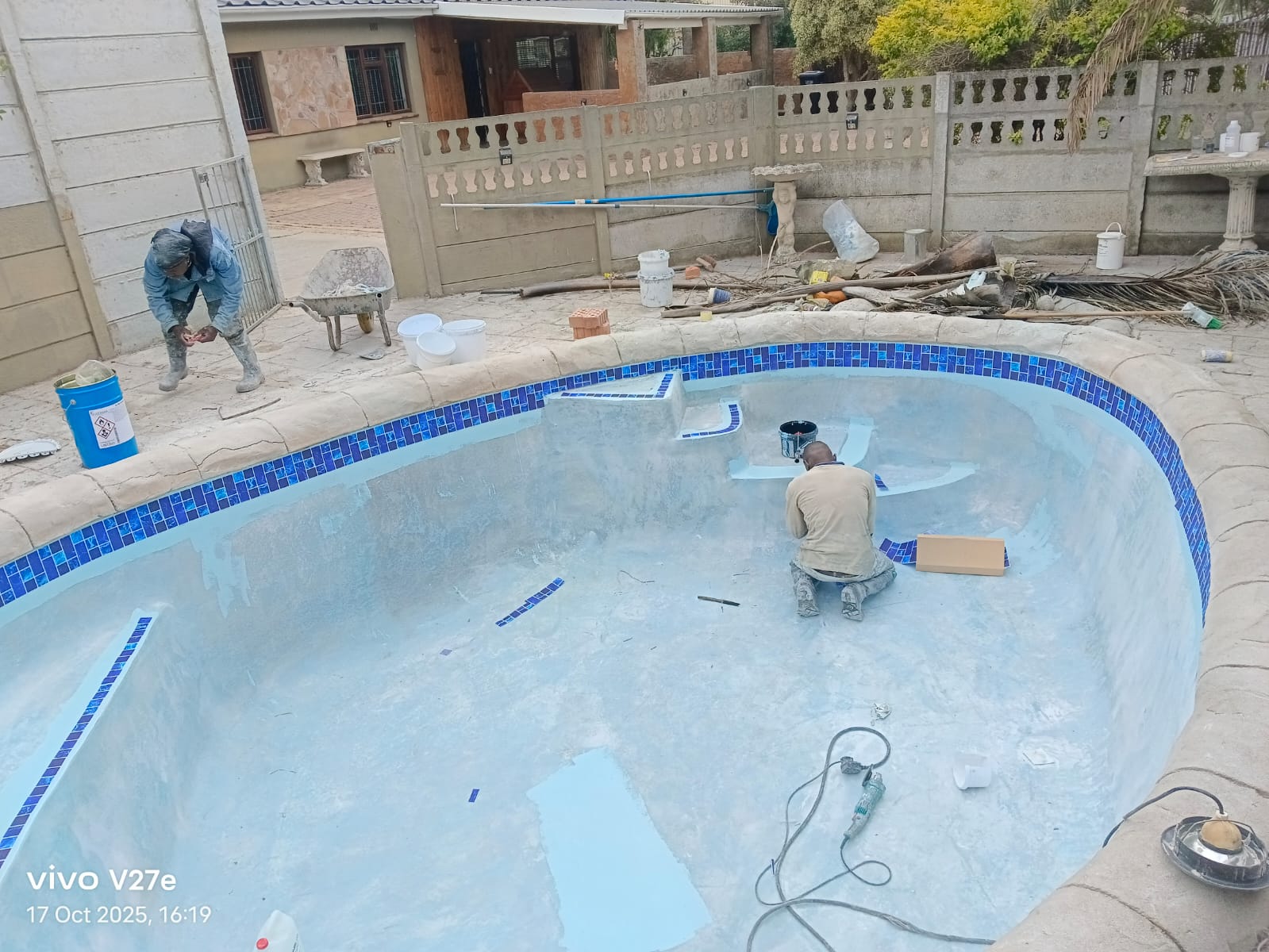
We work the whole metro from our Plattekloof base — the Northern Suburbs, Southern Suburbs, Atlantic Seaboard, City Bowl, South Peninsula, Helderberg, West Coast and the Cape Winelands. If the crack is letting water out, start with pool leak detection.
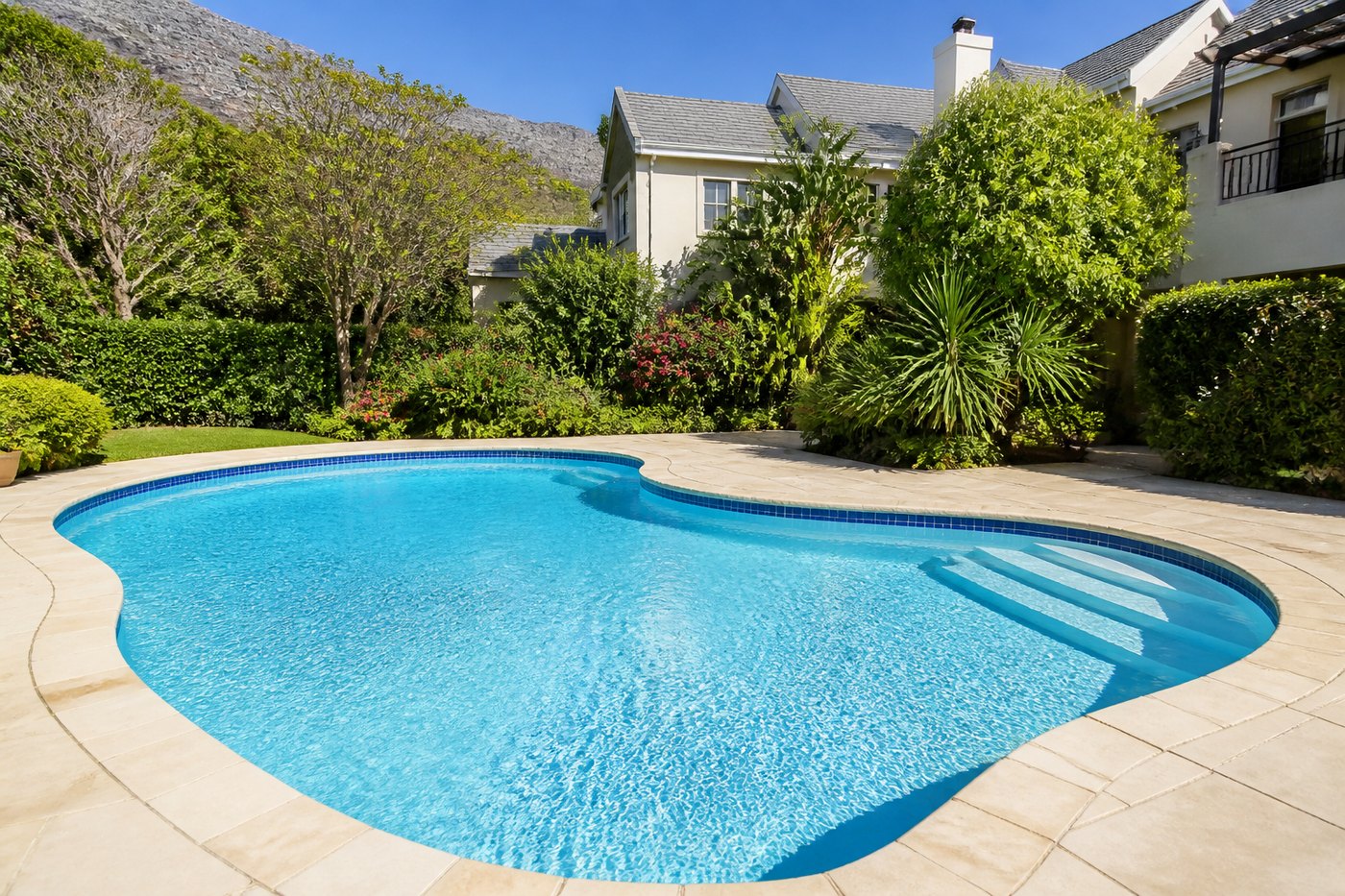
Free on-site assessment and no call-out fee. We tell you whether it is cosmetic or structural, then quote.
It depends on the type. Fine crazing across the plaster is usually cosmetic. A longer crack running from a corner or step, especially one where the two sides are not flush, is structural and needs proper repair.
Mark the water level and watch it with the pump off. If the level drops and stops at a particular height, the leak is at that level. We confirm it with a dye test on site.
Not if it is repaired properly. Cracks return when they are skimmed over instead of cut out, or when the movement causing them was never addressed.
For most structural crack repairs, yes — the repair needs a dry, sound surface to bond to. We keep the pool empty for as short a time as we safely can.
We patch into the surrounding surface as closely as possible. Where a pool has multiple repairs or a tired finish, resurfacing gives a far better result than a set of visible patches.
We look at the pool, tell you what it actually needs, then quote. No call-out fee.